I believe that one of the most powerful resources an entrepreneur has is their mindset.
The moment you understand how the right mindset is critical in unlocking the next step for you, everything begins to change.
This is why I want to share with you the biggest mindset shifts I’ve experienced over the last few years. Whether they’re from coaches, mentors, books, or personal revelations, each one of these mindset shifts has played a crucial role in growing Carrot.
But, I’d be doing you a disservice if I didn’t also tell you about the tools we use to lead and grow the company as well. That’s why I’ll be walking you through everything from overcoming limiting beliefs and self-doubt to setting a clear vision plan personally and professionally.
So, whether you’re a solopreneur or you’re a leader of a fast-growing company, you’re going to get a TON of value out of this series.
Grab a pen, get ready to take notes, and dive into this up-close-and-personal podcast series.
Trevor Truck Talks: Mindset Mastery Edition
#1: The Annual Planning Process That Every Business Needs to Crush the Next 365 Days
This episode walks you through how I begin to plan out my entire year, to make sure I’m laser-focused on what’s most important. There’s an exact process that I follow to hit the reset button on my business, gain clarity and alignment with my team, and re-energize so we can head into the next year ready to make a massive impact.
Join me in this brand new series where I’m tackling the #1 key ingredient every entrepreneur needs to understand in order to be successful… MINDSET.
#2: Live a Life Worth Waking Up For – How To Craft Your Vision Story
Are you clear on the person you want to become and are you okay with the person you are becoming? If not, then you might be where I was just a few years ago…successful on the outside but something deeply missing on the inside.
I had everything, but I was miserable. I needed a clear vision and a way to get there. Today I’m going to share the exact process that I used to create and live out my dream life, so you can go do the same.
#3: How to Recognize and Squash Your Limiting Beliefs
One of the biggest derailers of our success is limiting beliefs. We all have them. It’s the negative thoughts that stand between us and the person we want to become. But, the struggle that most of us have is the ability to recognize those thoughts and actually get past them.
This is one of the biggest mindset shifts that happened in me, that has allowed me to build, grow, and scale something that I’m passionate about and that truly makes an impact. Find out what’s stopping you.
#4: Are You Full of PIE? How to Get Back Your Personal Impact & Energy
You’re working in your unique ability when you have more energy at the end of the day than before you started. Is this you? Or are you coming home every day wishing you had enough energy to show up for your family and you’re not even remotely excited to face the next day?
That was me before all of my hustle and grind almost caused me to lose my family – the ones I was working so hard for. Don’t go another day without doing this one simple exercise that completely changed my life.
#5: Our Best Kept Secret For Setting Annual + Quarterly Goals (HINT: We stole it from Google!)
Over the years, I’ve crash-tested dozens of ways of setting goals, both personally and with Carrot. Nothing has been more effective and brought more focus and alignment than this right here.
If you don’t already have your sight sets on clear, measurable goals for work and at home, now’s your chance. Listen to your annual Epic call to find out how we do it.
#6: How to Turn Threats Into Opportunities with This One Incredibly Simply and Powerful Tool
Do you have a clear framework that shows you the blind spots in your business? Do you have a defined strategy that reveals weaknesses and threats to your business?
I want to show you the process that our leadership team uses to protect our business and set us up for massive success going forward. Listen in!
#7: The Pre-Loaded Year – How to Avoid Being Behind the 8-Ball in 2020
Are you used to the feeling of always behind? Are you playing catchup and planning your quarter after it’s already started? I’ve been there too.
Listen to this final episode in my mindset series as I show you how to get clear on your most important objectives so you can make the biggest impact possible.
BONUS: EP 189: Behind the Scenes at Carrot | My 6 Biggest Mindset Shifts To Grow A Company From Zero to $10 Million
As a business owner, investor, or entrepreneur, you’ll have to make shifts as you grow and scale your business.
Since starting Carrot I’ve learned a number of lessons about optimizing myself both personally and professionally.
I was pumped to sit down with Brady for an in-studio session diving into some of the biggest challenges and lessons I have had to learn as we grow this business from nothing to $10 million.
At Carrot, we have helped thousands of real estate investors and agents generate (literally) millions of leads.
It’s been an extremely exciting adventure for us and for our members.
But we’ve also learned that there’s one thing that can keep even the most effective real estate pros from achieving everything they’re capable of achieving.
And we’re not talking about a struggling market or bad employees or even a sub-par marketing strategy.
We’re talking about your mindset and overcoming your limiting beliefs.
Your mindset is like the rudder of a ship. You might have the nicest ship on the 7 seas, you might have the best crew, you might be the most effective navigator, and you might even be an excellent sailor, but without a rudder, it’s all worthless — without the ability to direct all of that potential, you’ll never get where you want to go.
And without a winner’s mindset, you’re never going to… well, win.
So we asked three real estate professionals and Carrot members what their biggest limiting beliefs were and how they overcame them — they gave us these shockingly transparent answers.
“I think one of the biggest limiting beliefs I’ve had, and have heard from many others in the industry, is the reluctance to invest in themselves and their companies. I remember, in my first year, even being reluctant to spend $100 in online marketing ad spend before going forward with it.
Within 60 days, I had closed 2 deals, totaling around $10,000 in commission (the most I had ever made in a month at that point) and it was all I needed to go all-in on my business. The proof of concept is the big break-through for most people, almost like being given permission to go all in. It certainly was for me.
I went through the same reluctance when hiring. The truth is, if you are making a good hire, training them right, and helping them grow, an employee doesn’t cost you anything. They should be making you money. You should be seeing a return on them just like you would with your marketing expenses.
Additionally, I remember having doubts even about myself physically. When you think of an authority figure in real estate — a person who will help you purchase your biggest asset — you don’t typically picture a 21-year-old kid with no experience, 5’7”, with acne, and an old beat-up car. It’s crazy what you’ll come up with for reasons people may not work with you!
I quickly realized that my age and quirks may have been actually attributing to my success. As I got more reviews and past sales under my belt, I would get calls from people I had never met saying, ‘It looks like you’re a young go-getter, and that’s exactly what I’m looking for!’
If you’re a hard worker and behave as a true professional, it doesn’t matter your experience level or whether you look authoritative at first glance. I played the part, and eventually became it.”
Takeaways
Don’t be reluctant to invest in yourself and in your business. If you believe something is going to pay you back, then have some faith and make the investment.
You don’t have to look like a real estate agent or real estate investor to be successful. Everyone has their own style and your style will resonate with a certain market or group of people. Embrace that.
“When my brother and I started this real estate journey, I was three months out of college with a degree in Exercise & Nutritional Science and I had little to no real working experience. I’ve still never had a full-time job. There would be nights where I would lay in bed with crushing fear and anxiety saying to myself…
What are you doing?
You can’t be successful in real estate.
You know absolutely nothing about business and you’ve never even owned a house!
You’re almost 30 and you’ve never had a full-time job, you’re going to be working for the rest of your life.
These beliefs ran through my mind almost every day for the first three months of starting our business until we got our first deal.
Obviously the first deal was a huge milestone because it really showed us we could make money. It also proved to us the tools, resources, coaching calls and courses within Carrot worked. Simply by consuming the content, actively engaging in coaching calls, volunteering for critiques, and implementing suggestions, we were able to get our first deal.
But of course, this wasn’t the end of my limiting beliefs. The leads started too slow. We stopped hearing the sweet pings of new leads and the fear, anxiety, and choking thoughts came back.
Around this same time, Trevor [The founder of Carrot] posted something about a Habit Tracker he created on a Google Sheet. My thought was that if I could implement his daily habits, maybe it would help me in our business. There were many things in the tracker that I’d never done but I was committed to using it.
After the first week of using the tracker, I could feel a shift. I had a more positive and optimistic outlook on the future and with what we were doing. I still do many of the habits today and these were 5 habits I feel made the greatest impact in changing my beliefs:
Waking Up Early
Meditating
Gratitude Journaling
Exercising
Reading/Podcasts
There’s something about starting the day with discipline when you’ve consciously made the decision to get out of your warm comfortable bed (even though you’re an entrepreneur and you make your own hours you could sleep in until noon) but you chose to get up before the sun.
Then I’m completely still and put my mind in a calm place for just 10 minutes to not worry about how the day might go or the things I need to do. At this point, my mind is so calm and I write down a few things I’m grateful for and thank God for this opportunity.
I’m headed out the door thinking about how amazing it is to have all my arms and legs to be able to use every equipment in the gym. As I’m exercising I’m listening to an audiobook or podcast and for an hour I get to hear someone else talk about their belief or perspective on a topic that’s different and I start to agree with their perspective and beliefs, which shoves down my own limiting beliefs.
I know it’s cliche. People talk about morning routines and developing habits all the time, but they really do work.”
Takeaways
Getting proof of concept that something is possible (closing your first deal or signing your first contract) is an important step on the pathway to success — it gives you the permission you need to go all-in.
Consuming helpful resources and content is an important part of mastering your craft (check out Carrot resources).
How you start your day will determine your productivity and effectiveness throughout your entire day — take your morning routine seriously.
3 Resources to Crush the Year and Build Healthy Habits
“I would say that the limiting belief I have struggled with in the past, not so much anymore, or at this moment, have been that I am not better than any other agent. I do not offer any more, so why would the client hire me.
Also, those other agents are already higher producers, so there is no room for me to be successful. And finally, that there is a scarcity of business and not an abundance.
I am pleased to say that for the most part, I have overcome these beliefs. I know that my service is superior to most if not all other local agents. My marketing plan is proven to work and while the average days on the market in Santa Cruz County are hovering around 36, my average days on market is at 11 days.
Now I am not saying this out of arrogance or to be boastful. I am actually just really proud that the efforts we are implementing and by thinking outside of the box and listening to our clients’ needs and helping them achieve their goals we are seeing great success.”
Takeaways
Creating a service that you are proud of and consistently doing your best work day-in and day-out is a sure-fire way to achieve long-term success.
Listen to your client’s needs and help them achieve their goals; this will almost always lead to building a bigger, more sustainable business.
Conclusion
We really appreciated the transparency with which the 3 investors and agents within this article shared their personal challenges.
because the truth is, we all struggle.
And most of us struggle in the same way — we believe we’re not good enough, we’re not smart enough, or even that we don’t look the part.
The people who win, though, are the ones who see those disempowering thoughts for what they really are — limiting beliefs — and move forward despite them.
We hope this article encouraged you to keep moving forward — in time, you’re going to crush it if you keep doing your best work.
So what limiting beliefs do you struggle with? Let us know in the comments!
The more productive real estate professional you are throughout your workday, the more money you’re going to make, the more time you’re going to save for the things that really matter in life, and the more satisfied you’re going to feel.
But you already know that. You know that if you were more productive, then your business and your personal life would benefit.
Still, social media, email, and endlessly ringing phone — it’s all wildly effective at distracting you from the important tasks, the lever-movers that can grow your business and fulfill your entrepreneurial dream.
Based on statistics, we compiled this list of strategies you can use to be a more productive real estate professional and business owner.
We hope it helps!
9 Ways To Be a More Productive Real Estate Professional & Business Owner
1. Make a Plan Before You Execute It
When you wake up in the morning, you have a million different things to do.
It’d be easy to take a 5-minute shower, throw on some clothes, and rush to the office to dive right into your lengthy to-do list. Heck, that’s almost logical — the faster you start working, the better for your productivity… right?
Not always.
In fact, planning ahead, course correcting and making sure that your to-do list is full of the right tasks is an important step toward increasing productivity. If you don’t plan beforehand, then the things you work on might end up being a total waste of time.
Here’s how real estate agent, Casey TeVault, explains it:
“To stay productive in the moment, it is necessary that planing is done ahead of time.
Every Sunday, I spend an hour reviewing the previous week, course correcting if needed, and planning out the following week; ‘War’s are won in the general’s tent, not out on the battle-field.”
2. Use this Energy Audit
When you’re building a business, you have to do a lot of things that you might not enjoy. You have to file overly-complicated taxes, you have to create new processes, hire people and manage systems, and you have to put out unexpected fires.
But one great way to make yourself and your business more productive is to focus your own work time on doing things that you actually love doing. Hire, delegate, and automate everything else.
Here’s a talk that Trevor Mauch gave about this topic…
When you do the things you love, you’re naturally more productive. And you’ll have a lot more fun building your business — who wouldn’t want that?
We even have a free energy audit resource that will help you determine what you love doing, what you hate doing, and how you should be spending each day.
3. Lock Yourself Out of Distractions for the First 4 Hours of Each Day
Distractions are a big problem.
When we’re talking about increasing productivity, growing your business faster, and doing more deals every month, distractions are the last thing you need. They’ll derail your momentum faster than almost anything else.
We’re talking about mindlessly scrolling through social media, doddling with unimportant tasks, and chit-chatting when you should be working.
Think about it. Instead of spending 30 minutes on social media, you could be crafting an interesting piece of content for your customers. According to SquareFoot Homes, focusing on the client and taking care of all their real estate needs is a powerful success driver.
There’s nothing wrong with having fun, of course.
But it’s far easier to stay productive when you’re not interrupting your workflow with random and unimportant distractions.
“My biggest productivity hack is a three-part system. I start my day by journaling to get all the random thoughts out of my head.
I also write down 5 quadrant-two activities that will move my business forward. Next, I use an app called ‘Off Time’ to lock me out of social media and email for the first 4 hours of each day.
Lastly, I don’t check my email until those 5 things are checked off. This makes it almost impossible to get sidetracked.”
In case you don’t know what Ryan means by “quadrant-two activities,” he’s referring to this famous graphical prioritization graph from The 7 Habits Of Highly Effective People.
Quadrant 2 — not urgent but important tasks — is where the real magic of business growth happens. Unfortunately, since those mission-critical tasks (polishing processes, optimizing marketing, hiring A players, etc) are almost never urgent, it’s easy to shove them to the side.
But you can use Ryan’s strategy of writing down 5 quadrant-2 activities every morning and then tackling those without any distractions to make sure you start every day focused on the tasks that actually make a difference.
4. Have Intermittent Movement Snacks
I recently came across this productivity hack in my LinkedIn feed.
That’s a great idea!
We are human beings, after all, and we’re designed to move, use our muscles, and exercise every once in a while.
But you don’t have to go run a marathon or do 100 push-ups. Even a quick walk or a few jumping jacks can put the pep in your step and get you ready for your next round of to-dos.
Have “movement snacks” intermittently throughout your day and you might be surprised at how much you accomplish.
5. Create Deadlines
Without a deadline in place, you just have an idea — an idea that may or may not come to fruition.
Top real estate investors and business owners don’t just prioritize their tasks throughout the day, they also create deadlines for tasks and unerringly hit those due dates.
“I stay productive by writing a to-do list every night for the next day and I have deadlines for everything. I work well under pressure.
If something doesn’t have a deadline I will never do it. So I give myself deadlines for even the smallest tasks.”
Partly, this is just a matter of how well you work under pressure. If pressure stresses you out and paralyzes you, then you might find a less intense way to get stuff done.
BUT… for the vast majority of us, deadlines are a good thing — they push us to be efficient and finish tasks in a timely manner.
Here are some ideas to help you stick to your deadlines:
Make Them Urgent
Make Them Personal
Make Them Actionable
Make Them Meaningful
6. Create a Routine
We are creatures of habit.
The more of a routine that you get into with your everyday work habits, the more efficient you’re going to be and the more seamlessly you’re going to transition from task to task.
“Habits help us through our day. When we are doing something that is habitual, we are not engaged in the task in the same way as when we are doing something that is not habitual.
Just as an example, consider making breakfast in your own kitchen on any given weekday. Next time you do it, watch how effortlessly it happens.
It’s not exactly like an out-of-body experience, but it’s close. Your movements through the kitchen are stereotyped. You grab the milk out of the fridge, turn toward the counter and give the door that little nudge you with your foot that you know it needs.
If something is on your mind, you might not notice that you’re sitting at the table and munching on your second piece of toast until you’re halfway through it. Now, compare that to getting breakfast at a friend’s house.
Maybe you’re dog sitting (you’re so nice!) Where’s the milk? The bread? Oh my goodness, so complicated!”
That’s the power of habit.
Of course, entrepreneurship is filled with unexpected surprises — deals fall through, due diligence goes wrong, seller and/or buyers get angry.
But still, it will benefit you to designate different hours of the day to different kinds of tasks. The longer you stick to the routine you create, the more productive you’re going to be.
7. Focus on Organizing Your Day and Just One Thing at a Time
Some people think they’re great multi-taskers.
Other people think they’re terrible at it.
But the truth is, we’re all terrible at it — according to research, multi-tasking is scientifically impossible. Human beings simply can’t focus attention on two different things at once.
That’s why you can fleet from task to task throughout the day and finish feeling like you didn’t accomplish anything.
We’re much more effective when we just focus on one task at a time and do the best we can with it.
“The best way for me to stay productive is to block out 3 to 4 hours focusing on a single task, or the most important task of the day. If I don’t turn off all distractions during that time it’s almost impossible to get done what you need to.
You gotta focus on that one thing, whether it’s building a new system, dialing vacant property owners, creating a new marketing funnel.
There’s a lot to be said for having an assistant who can help you with menial tasks throughout the day — tasks that kill your energy.
And virtual assistants, in particular, can have a major impact when trying to become a more productive real estate professional.
VA’s are inexpensive and easy to find. You can go to a site like UpWork to find a great virtual assistant who can help you clean up emails, reply to emails, schedule appointments, and maybe even answer the phone (if you hire an experienced VA).
It’s easy to work on stuff that doesn’t really matter a whole lot — that’s probably why we sometimes work hard without making much progress.
The truth is, you don’t have to work 15-hour days to build the business of your dreams, you just have to work smart. You have to work on the right things.
Of course, knowing what the right things to work on are is easier said than done; which is why you might consider taking some time before every day to write down the tasks that are real lever-movers for your business. Paul doCampo, an investor who also works a full-time W2 job and the founder of Real Estate Audios, says this about his smarter-not-harder working habits…
“With little time to work with and because getting wrapped into ‘busy work’ is very easy to do… I have to ask myself EVERY DAY,
‘what are the most important tasks that are going to move me forward today; has the needle moved ahead at the end of the day?’”
Conclusion
If you’re going to build a productive real estate business, then you’re going to need to be productive — day-in and day-out.
That doesn’t mean working 12-hour days and it doesn’t mean constantly thinking about work. But it doesn’t mean working smart and hiring people who can help you achieve your goals.
In the end, building a profitable business is a matter of managing money and time, because those resources are one and the same.
But enough from us.
What do you do to stay productive throughout the day? Hit us up in the comments! :-)
No matter how much of a perfectionist you are, no matter how nervous you are about hiring other people, the fact remains… you’re going to have to delegate if your business is going to grow and thrive.
The good news is… you’re not the first agent or investor to hire for your real estate business.
All of our most successful members have at least a few people working for them so that they can focus on growing their business rather than getting locked inside of daily minutia.
And if they can do it, you can do it, too (regardless of your past hiring flops).
I talked with 5 of our members who’ve been around the ringer — they’ve hired A-players and they’ve hired F-players. Along the way, they’ve learned from their mistakes.
Tip #1: “You can’t teach someone how to be hungry for success.”
When you hire someone for your business, you’re going to have to train them on a lot of different things.
You’ll have to teach them about your internal processes, how to use different kinds of software, and even how the real estate world works.
But there are some things you can’t teach. Matt Bristow, the CEO of MCB Homes Inc., points out…
“You can’t teach someone how to be hungry for success. Find someone who can communicate effectively and has the desire to do a good job or succeed in what they are doing. That’s something you can’t necessarily teach someone. You can teach them the rest.”
And he’s right.
You can teach someone all the technical aspects of your business, but if the applicant doesn’t have a hunger to learn, if they aren’t already effective at communicating, and if they aren’t self-driven, you should probably wait to hire someone who’s more disciplined — ’cause you can’t teach someone how to be a hard worker.
Tip #2: “Establish your company culture before bringing VAs onto your team.”
Generally speaking, people work harder when they’re part of a business they believe in and when they naturally fit in with the company culture.
As a leader, one of the fastest ways to kill employee efficiency is to kill employee satisfaction. And the fastest way to kill employee satisfaction is to hire someone who isn’t a fit for your company culture.
For that reason, Matt Bigach, the Co-Founder of Nexus Homebuyers, offers two pieces of advice:
“Establish a company culture before bringing VAs on to your team. Put your core values along with what your vision and purpose for your company looks like down where everyone can see them. Once those are established, only hire VAs that fit into your culture.”
And…
“Establish what personality type you want in each position you plan on hiring for. Then you can fill that position with the right personality. Putting the wrong personality in a role can send you backwards.”
In other words, only hire people who believe in your company’s mission, who match the ideal personality type for the role you’re trying to fill, and who exemplify the culture you’re trying to create.
A personality test and a few long-and-honest conversations will go a long way toward helping you select the right person for the job.
Tip #3: “I hire for likeability and character — I train the whole real estate investing piece.”
How important is likeability when you hire someone?
In the real estate industry (as with most sales positions), it couldn’t be more important, especially if you’re hiring someone who will be on the front lines, taking phone calls for your business or meeting with sellers.
When Ryan Dossey, founder of Christopher Ellyn Homes, hires Acquisition’s team members, he looks exclusively for people with character who are likeable… and he trains the rest.
“When I’m looking for acquisition’s people, I’m looking for the guy who’s like the life of the party. Typically, I’m hiring for likeability and character traits — are they a good person? Are they ethical? — and I’m training the whole real estate investing piece.”
He also explains his reasoning for having such an exclusive focus on those two simple traits…
“If you’re looking to start hiring staff… the number one thing I’ve found that determines whether or not a new investor is going to make it or not is likeability. They have to like you and they have to connect with you.”
He continues…
“I can’t tell you how many deals we’ve gotten where we’re paying less than somebody else, we’re not closing as fast… but we’re able to use rapport and relationships to get the deal done.”
The fact is, people, work with real estate investors and agents that they like — even if their offer is a little bit lower and their closing time a little bit slower.
“The number one reason that somebody is going to buy from you is if they like you.”
Tip #4: “Never hire a VA without a plan and a training system in place.”
Many new real estate investors or agents get in a hurry to hire a VA during a time when business is booming.
They’re not entirely sure what that VA is going to do once they’re hired, or even what processes they’ll need, but they know that they need help right now.
So they quickly hire someone, scramble to give them work to do, and just as quickly find out the error of their ways: you must have correct processes and systems in place before you hire someone.
You must know what that person is going to do on a daily basis, you must have instructional videos to train them, and you must know how much you can afford to pay them… all before you hire them.
Zachary Tetley, Partner at Nexus Homebuyers, which has 13 VAs running the majority of the business, explains…
“If you don’t track them with specific KPIs and give them clear cut video instructions so they can review and execute, you’re doing yourself a massive disservice.”
Additionally…
“Never hire a VA without a plan and a training system in place to replicate what you want them to do for you task-wise, otherwise you’ll end up drowning in the tasks with them and both of you will end up frustrated.”
Tip #5: “I give them a basic scorecard so they understand their accountability and job tasks before they accept the job.”
Using a rigorous hiring process to ensure you hire A-players every single time is a far better use of your time (and money) than hiring C or D employees without much thought and figuring out how to fire them down the road.
Which is exactly why Tim Oppelt, owner of Opp Real Estate, has such an intense hiring process for even the simplest of positions — he only wants to hire A-players.
In his own words,
“After I post a job description and get interest, I send them this long employment application.”
Here’s that application… (feel free to download, tweak for your business, and use it)
He goes on to explain that this long application serves two functions.
The first goal is to weed out people who are lazy and not willing to put in the work. And the second goal is to build a picture of the person by analyzing the pattern of their history. Resumes are easy to cheat. Patterns are not so easy.
Once I get them back, for the ones that are a good fit, I have a quick phone call to make sure they have availability, resources (computer/car). basic make-or-break stuff. Then, on the interview, I will use a variation of this doc below (depending on position).”
“Again, I’m asking the same questions about each of their positions to build a pattern. And the process isn’t just about determining who is “good” or “bad”. Its about understanding them. Once you hire them, you will have a deeper understanding of their strengths and weaknesses which will help you train them better.
Also, you need to give them a basic scorecard so that they understand their accountability and job tasks before they accept the job and a clear benchmark for them to know they are doing a good/bad job. Basically I include anything that will cause me to fire them — Lying, integrity, communication, all of that stuff is important, because if they don’t have it, you will end up firing them down the road.
Here’s the scorecard he uses for his Acquisition’s Manager.
But Oppelt swears that the results of this intense hiring process are well worth the wait.
“I weeded through dozens and dozens of people before hiring my admin in 2017. She is the best person for my business and a really loyal and hardworking assistant.”
He does offer one caveat, though:
“The only issue with my method is it definitely caters more toward Type A people who like to write things out. Sales people (even ones that are rock-stars) may not be inclined to fill everything out. But for an admin position, this is perfect.”
Conclusion
Hiring your next employee doesn’t have to be a massive headache.
The above 5 real estate pros have created clear-cut systems for ensuring that they hire A-players every single time — people who are going to make their business a joy to run rather than a nightmare.
Remember, it’s far better to wait for the right person than it is to hire the wrong person right now.
And with a little intentionality, using the above advice, you can significantly increase your chances of hiring the right person for the job on your first try.
But we haven’t just helped our members with their online marketing strategies but joined them in their success. For years, we’ve put ourselves in the environment of high-performing real estate professionals — interviewing them (check out our podcast), going to their conferences, becoming real estate investors ourselves, and even hosting masterminds of our own (check out CarrotCamp).
Throughout our time talking with high-performing real estate investors, we’ve noticed some trends in how they run their businesses, think, and even start their mornings.
Knowing those similarities, anyone can work backward to build habits leading to a successful real estate investing business.
But before we dive into the seven habits of highly successful investors, we want to first talk about the mind. That is the one mindset difference between top performers and everyone else.
Now we know claiming that one solitary mindset shift is what makes the difference between those who succeed in real estate and those who don’t is an ambitious claim.
Could there only be one difference between the people who win and those who lose? Probably not.
After all, there are a lot of factors that determine whether a real estate business succeeds:
Timing
Market
Knowledge
External events
Personal discipline
Many other unforeseeable events can derail your business or turn it into a thriving money-maker. When it comes down to it – if we’re being honest – a large part of building a successful business is cold, hard luck.
Did you start at the right time? Did you launch your business in the right market? Did you have someone willing to teach you?
But that’s not what you came to hear.
You came to find out how to ensure that your business will succeed despite the unpredictable and often frightening events that can destroy a growing business. You don’t want to know what you can’t control but what you can control.
However, you can’t understand what differentiates those who succeed and those who don’t unless you first accept that you can’t control much of what goes into building a business.
But here’s the dead-simple thing you can control – and if you learn to, it practically guarantees your success, despite being lucky or unlucky.
Your mind.
Clichés aside, how you think won’t only impact whether you succeed; it will completely make that decision.
Of course, telling you to think differently than you do now is about as helpful as telling you to buy a new car without describing the brand or make of the vehicle.
The only mindset difference between top performers and everyone else is the belief that you will succeed before you even start.
The business can’t be an experiment, and it can’t be a we’ll-see-if-it-works undertaking. You might not know when or how it will become successful, but you must have 100% confidence that it will.
That’s what differentiates someone who builds a successful business from someone who doesn’t.
Despite uncontrollable circumstances, someone with an if-then mindset will quit when things get hard. Maybe it’s not possible, after all, they’ll think to themselves.
Someone who fully believes the business will succeed before starting is far more likely to push through all the difficulties of growing a new business.
In other words, believe that you’ll succeed, and you will. Believe anything less, and you’ll fail. It is that simple.
Of course, you know what isn’t that simple?
Believing with your whole being that you’re going to succeed. To help with that, here are three questions you can ask to convince yourself that your business will succeed – without deceiving yourself.
Have other people done what you’re trying to do? Remember: If someone has done what you’re trying to do, there’s NO reason you can’t pull it off.
Sure, it might take some time. You might have to learn some lessons the hard way. You might have to make some tweaks to your investing strategy. But, in the end, the truth is the same: if someone else has done it, so can you — end of story.
Are you willing to do whatever it takes to make this business succeed?
If you know that the business you’re trying to build is tried and true because of other people who’ve succeeded, then you need to promise yourself something before getting started.
Repeat after me: I will not give up on this business, regardless of how difficult it gets. This is going to work, and I’m going to make it work. I don’t care how long it takes.
I don’t care what hard lessons I must learn along the way. It’s possible, and I’m going to make it happen. Right, that down, nail it to your wall, or tattoo it on your forehead (don’t do that). The point is, promise yourself that you will succeed, and nothing will stop you.
That’s the mindset of a winner.
Do you fully recognize that building a successful business will require you to change who you are at a fundamental level? It would help if you also were honest with yourself.
Building the business of your dreams will change you in massive ways – ways you never expected. You will have to change your routine. You will have to change how you communicate. You will have to become someone better than you are right now.
And that’s a necessary part of the process.
You don’t want to fight these changes if they’re for the better, but accept them as they come and be willing to change as needed. Anything worth doing will change you fundamentally as a person. But that’s the point. Accept that for what it is and dive in, prepared to adapt to your changing environment.
Ultimately, there’s only one difference between those who succeed and those who settle for less: the belief that they will succeed… or will “see what happens.” Those who don’t believe in themselves will never get where they want. For those who do, nothing will be able to stop them.
Now, on with the seven habits of highly successful investors.
7 Habits of Highly Successful Real Estate Investors
1. Consistent Lead Follow-Up
Consistent lead follow-up is a cornerstone habit for real estate investors, and here are seven compelling reasons why it is essential for their success:
Maximizing Conversions: Lead follow-up increases the chances of converting potential leads into actual clients. Many real estate transactions require multiple touchpoints and interactions before a lead is ready to decide. Consistent follow-up ensures investors stay engaged with leads during this decision-making process, increasing the likelihood of conversion.
Building Trust: Consistent follow-up helps build trust and credibility. It shows that the investor is committed to understanding the lead’s needs and providing valuable information. Over time, this trust can turn a hesitant lead into a confident and loyal client.
Staying Top of Mind: The real estate market can be highly competitive. Consistent follow-up ensures that the investor remains top of mind when leads are ready to move. When leads think of selling, they are likelier to contact the investor who has consistently maintained contact.
Qualifying Leads: Not all leads are equally valuable. Consistent follow-up allows investors to qualify leads by understanding their motivations, preferences, and readiness to buy or sell. This enables investors to focus their efforts on leads that are more likely to result in successful transactions.
Timing is Critical: Real estate transactions often hinge on timing. Consistent follow-up helps investors identify when leads are ready to take action. It ensures that investors are in the right place at the right time to seize opportunities.
Effective Communication: Effective communication is vital in real estate. Consistent follow-up ensures that communication channels remain open, questions are answered promptly, and concerns are addressed. This paves the way for smoother transactions and satisfied clients.
Repeat Business and Referrals: Consistent follow-up is about closing the current deal and nurturing relationships for future business. Satisfied clients who have experienced excellent follow-up are more likely to return for additional transactions and refer the investor to their network. This leads to a self-sustaining and expanding client base.
Consistent lead follow-up is an essential habit for real estate investors because it maximizes conversions, builds trust, keeps the investor in mind, helps qualify leads, capitalizes on timing, ensures effective communication, and leads to repeat business and referrals.
This habit contributes significantly to an investor’s success in a competitive real estate market.
2. Continuous Learning
Successful investors are committed to ongoing education. They stay informed about market trends, changes in real estate laws, financing options, and investment strategies. This dedication to learning keeps them ahead of the curve and able to adapt to shifting market conditions.
Here’s an elaboration on why it’s so vital and how it manifests in their daily lives:
Market Knowledge: Successful investors understand that the real estate market is dynamic. They stay informed about local, national, and global real estate trends. This includes monitoring property values, rental rates, mortgage interest rates, and economic indicators. They frequently analyze market data to spot opportunities and make informed investment decisions.
Legal and Regulatory Changes: Real estate laws and regulations can change frequently. Highly successful investors closely monitor these changes to ensure they remain compliant and adapt their strategies accordingly.
Staying aware of tax laws, zoning regulations, and landlord-tenant laws is crucial for avoiding legal issues.
Investment Strategies: The world of real estate investing offers a wide range of strategies, from flipping properties to long-term rentals, commercial real estate, and real estate syndications.
Successful investors always explore new strategies and assess their applicability in market conditions. They also learn from experts and mentors to refine their techniques.
Financial Wisdom: Successful investors have strong financial literacy. They understand the intricacies of real estate financing, including mortgages, refinancing, and various loan products. They stay informed about financial markets and interest rate trends, which can significantly impact their investment decisions.
Technology and Tools: The real estate industry continually introduces new technologies and tools, from property management software to online real estate marketplaces. Successful investors embrace these tools to streamline their processes, enhance efficiency, and stay competitive.
Analytical Skills: Real estate investors must be analytical in assessing potential deals. They continually hone their skills in evaluating properties, conducting market research, and performing financial analysis. This analytical ability helps them make data-driven decisions.
Books, Seminars, and Courses: Many successful investors invest in books, seminars, and courses that offer insights from experts in the field. These resources provide fresh perspectives and advanced knowledge, helping investors refine their strategies.
Mindset and Motivation: Continuous learning isn’t just about acquiring new knowledge; it’s also about maintaining a positive and motivated mindset. Successful investors often read personal development and motivation books to stay inspired and resilient, especially during challenging times.
Continuous learning in real estate investing is a commitment to staying updated, improving skills, and adapting to an ever-evolving industry. Highly successful investors make learning a daily practice, ensuring they remain at the forefront of their field and continue to achieve their financial and investment goals.
3. Goal Setting and Planning
Goal setting and planning are fundamental for highly successful real estate investors. It involves defining clear objectives and creating a structured plan to achieve those objectives. Here’s a more detailed exploration of this crucial habit:
Defining Clear Objectives: Successful real estate investors are precise about their goals. They don’t just aim to “make money” or “invest in real estate.” Instead, they establish specific, measurable, achievable, relevant, and time-bound (SMART) goals. For instance, they might set a goal to acquire five rental properties within the next two years, each generating a minimum of 10% annual return on investment.
Long-Term Vision: While they set short-term goals, successful investors maintain long-term vision. They envision what they want their real estate portfolio to look like in five, ten, or twenty years. This long-term perspective guides their decision-making and helps them focus on the big picture.
Financial Objectives: Real estate investing is often financially driven. Investors set financial targets such as a specific amount of rental income, a certain rate of return on investment, or a target net worth. These financial objectives provide a clear direction for investment strategies.
Property Acquisition Goals: Successful investors often set targets for the number of properties they wish to acquire. These goals may be based on property type (e.g., single-family homes, multi-family units, commercial properties) or geographic location (e.g., within a specific city or region).
Risk Tolerance and Diversification: Goals also encompass risk management. Investors consider their risk tolerance and may set objectives related to diversification. For instance, they might aim to invest in a mix of property types to spread risk or establish a target loan-to-value (LTV) ratio to maintain financial stability.
Portfolio Growth: Investors may have goals related to portfolio growth. This can include increasing the value of their real estate holdings or expanding into new markets or property types.
Exit Strategies: Goal setting includes planning for exit strategies. Successful investors set objectives for selling properties at specific price points or timelines, especially if they are engaged in property flipping or value-added investments.
Measuring Success: Part of goal setting is defining how success will be measured. Investors establish key performance indicators (KPIs) to track progress. KPIs could include metrics like cash flow, return on investment, property appreciation, or tenant retention rates.
Creating Action Plans: Setting goals is only the first step. Successful investors create detailed action plans outlining the steps needed to achieve each goal. These plans break down objectives into manageable tasks and provide a roadmap for execution.
Monitoring and Adaptation: Investors regularly monitor their progress and adapt their plans as needed. They review their goals, KPIs, and action plans to ensure they are on track. They adjust their goals and plans accordingly if circumstances change or new opportunities arise.
Accountability: Many investors share their goals with mentors, advisors, or accountability partners. This external accountability helps them stay focused and committed to achieving their objectives.
Goal setting and planning is a methodical and strategic approach to real estate investing. Highly successful investors are adept at setting clear, measurable goals and developing well-thought-out plans to attain them.
4. Rigorous Market Research
Highly successful investors are diligent researchers. They thoroughly analyze potential investment areas, studying factors such as property values, rental demand, job growth, and local economies. This research helps them identify lucrative opportunities and mitigate risks.
Here’s a more detailed exploration of this habit:
Local Market Analysis: Successful investors understand real estate is a hyper-local market. They meticulously research the specific geographic areas where they plan to invest. This analysis includes assessing factors such as property values, rental demand, supply and demand dynamics, neighborhood characteristics, and local economic conditions.
The location of a property also impacts successful real estate investment from a liquidity perspective. Some areas have fast-moving markets that allow for speedy transactions and the possibility for property flipping, while others are slower-paced and better suited to those looking for long term strategies. As such, thorough analysis is critical.
Property Valuation: Market research includes methods for valuing properties accurately. Investors use various valuation techniques, including comparative market analysis (CMA), income approach, and cost approach, to determine a property’s fair market value.
Rent Analysis: Comprehensive rent analysis is essential for investors focused on rental properties. They evaluate market rents, vacancy rates, and rent growth trends to determine potential rental income and make informed pricing decisions.
Demographics and Population Trends: Understanding the demographics of an area is crucial. Successful investors research population trends, demographics, and socio-economic factors to identify potential tenant profiles and assess the demand for their properties.
Job and Economic Growth: A growing job market and a healthy economy often drive real estate demand. Investors monitor employment and economic growth data to gauge the overall health of a region’s real estate market.
Market Trends: They stay updated on current market trends. This includes monitoring trends in property types (e.g., single-family homes, multi-family units, commercial real estate) and emerging real estate niches like short-term rentals or student housing.
Market Cycles: Investors understand market cycles, including phases like expansion, peak, contraction, and trough. Recognizing where a local market stands in these cycles informs their investment strategies and risk management decisions.
Competitive Analysis: Rigorous research includes assessing the competition. Investors analyze other properties on the market, assess the quality and pricing of competing rentals or listings, and identify opportunities to stand out in a crowded market.
Legislative and Zoning Changes: Real estate laws and zoning regulations can significantly impact investment opportunities. Investors track legislative changes and zoning regulations to understand how they may affect their investments.
Networking and Local Contacts: Successful investors often build relationships with local real estate professionals, including real estate agents, property managers, and local government officials. These contacts provide valuable insights into local market conditions and potential investment opportunities.
Historical Data: Examining historical data helps investors understand long-term market trends and cycles. They review historical property prices, rental rates, and economic conditions to inform their future investment decisions.
Emerging Markets: Investors are always looking for emerging markets with growth potential. They explore up-and-coming neighborhoods or regions that might offer early investment opportunities.
Risk Assessment: Rigorous market research includes risk assessment. Investors evaluate potential risks associated with the market, such as economic downturns, natural disasters, or environmental factors.
Due Diligence: Due diligence is a crucial part of market research. Investors thoroughly inspect properties, review title records, and check for any liens or encumbrances before making investment decisions.
Market research is a foundational habit of successful real estate investors. They leave no stone unturned when it comes to understanding their investment environment. This analysis informs their strategies, helps them identify lucrative opportunities, and mitigates risks, ultimately contributing to their success.
5. Risk Management
They are skilled at managing risks. Successful investors understand that real estate investing involves certain risks and take steps to minimize them. This may include diversifying their portfolio, conducting thorough due diligence, and having financial safety nets in place.
Highly successful real estate investors excel at risk management in the following ways:
Comprehensive Due Diligence: Successful investors conduct extensive due diligence before acquiring a property. They thoroughly investigate the property’s physical condition, legal status, and financial history. This includes property inspections, title searches, and a review of any liens, encumbrances, or legal issues that might affect the investment.
Market Risk Assessment: Investors evaluate the market’s overall stability and potential risks. They analyze factors like job growth, economic stability, population trends, and market cycles. Understanding where a market stands within its cycle helps investors decide when to buy, hold, or sell.
Financial Risk Mitigation: Successful investors carefully consider their financial situation and assess their ability to withstand financial setbacks. They maintain a financial buffer or reserve to cover unexpected expenses, such as property repairs, vacancies, or market downturns. This buffer helps them weather financial storms without compromising their long-term investment goals.
Property Type Diversification: Diversification is a key risk management strategy. Investors spread risk by diversifying their portfolios across different property types, such as residential, commercial, or industrial real estate. This minimizes the impact of a downturn in a single sector.
Location Diversification: Geographical diversification is another risk mitigation strategy. Investors acquire properties in different locations, reducing their exposure to the risks associated with a single market or region.
Insurance Coverage: Successful investors understand the importance of insurance. They secure appropriate insurance coverage for their properties, including property insurance, liability insurance, and, for landlords, landlord insurance. These policies protect them from unforeseen events like property damage, lawsuits, or rental income loss.
Proper Financing: Investors carefully choose financing options and terms that align with their risk tolerance. They may opt for fixed-rate mortgages to shield themselves from interest rate fluctuations or adjustable-rate mortgages to capitalize on lower initial rates. Their choice depends on their specific financial goals and risk appetite.
Property Management: Many investors hire professional property management companies to reduce the operational risks of owning and leasing real estate. A property manager can handle tenant-related issues, maintenance, and rent collection, mitigating the stress and risks of direct landlord involvement.
Legal and Regulatory Compliance: Compliance with real estate laws and regulations is crucial to risk management. Investors stay informed about changes in local, state, and federal laws that affect their investments. This includes understanding landlord-tenant laws, property maintenance requirements, and tax laws.
Emergency Fund: Investors establish an emergency fund or reserve fund to cover unexpected expenses, ensuring they have the financial means to address issues like sudden repairs or periods of vacancy without affecting their overall financial stability.
Exit Strategies: Successful investors plan for various exit strategies. Having contingency plans for selling, refinancing, or transitioning their investments helps them adapt to changing market conditions.
Risk management is a fundamental habit of highly successful real estate investors. They employ a combination of strategies to minimize potential risks, protect their investments, and ensure long-term financial success.
6. Network Building
Building a strong network is crucial. Successful investors surround themselves with a team of real estate professionals, including real estate agents, contractors, property managers, and lenders. These relationships provide valuable insights, resources, and support.
Network building is a critical element of success for real estate investors. It involves creating and maintaining relationships with diverse professionals, peers, mentors, and experts within the real estate industry. Here’s a more detailed exploration of why network building is essential and how it manifests in the lives of highly successful real estate investors:
Access to Market Knowledge: Successful investors recognize that networking is an invaluable source of market knowledge. They connect with local real estate agents, brokers, and property managers who provide insights into market trends, property values, and emerging opportunities. This information can be instrumental in making informed investment decisions.
Deal Flow: Networking allows investors to tap into a broader pool of potential investment opportunities. Through relationships with fellow investors and industry professionals, they gain access to off-market deals, distressed properties, and exclusive listings that might not be available to the general public.
Mentorship and Guidance: Many successful investors credit their mentors for their success. They seek out experienced individuals who can provide guidance, share wisdom, and offer insights into the nuances of real estate investing. Mentorship helps new investors navigate challenges and make more informed decisions.
Professional Relationships: Investors build relationships with professionals who offer complementary services, such as attorneys, accountants, appraisers, contractors, and property inspectors. These connections ensure they have a reliable team to support their investments and address various needs.
Local Expertise: Networking with individuals with in-depth knowledge of specific local markets is invaluable. These local experts can provide insights into neighborhood dynamics, zoning regulations, school districts, and other factors influencing property values and rental demand.
Access to Funding: Successful investors often have access to a network of lenders, private investors, or equity partners who can fund their projects. These relationships help secure financing on favorable terms and expand their investment capacity.
Resource Sharing: Networking is a two-way street. Investors share their insights, resources, and connections with their network. They collaborate with other investors on joint ventures, share information about trusted service providers, and offer advice to those who seek it. This reciprocity strengthens relationships and builds trust.
Market Validation: Engaging with a network of professionals and peers validates investment strategies and decisions. When multiple experienced individuals support a particular investment approach, it adds confidence to investors’ choices.
Learning and Education: Networking often involves participating in real estate investment clubs, associations, seminars, and workshops. These events offer opportunities to learn from experts, gain exposure to different investment strategies, and stay updated on industry trends.
Deal Negotiation: In real estate, negotiation skills are crucial. Investors who have a strong network often learn from the negotiation techniques and experiences of others, enabling them to secure better deals and terms.
Problem Solving: Real estate investing can present various challenges, from property management issues to legal matters. Successful investors lean on their network to find solutions. They consult with experts and mentors to address complex problems effectively.
Long-Term Relationships: Many successful investors prioritize the cultivation of long-term relationships. These relationships go beyond a single deal; they are built on trust and a commitment to mutual success over the years.
Network building is a mainstay of success for real estate investors. Highly successful investors leverage their networks to gain knowledge, access opportunities, and develop a support system that enables them to make informed decisions and thrive in the competitive industry.
7. Financial Discipline
Highly successful investors maintain financial discipline. They clearly understand their financial situation and invest within their means. This includes effective budgeting, controlling expenses, and ensuring they can access funds for unforeseen expenses.
Here’s a more detailed exploration of why financial discipline is crucial and how it manifests in the lives of successful investors:
Budgeting and Planning: Successful investors create and adhere to detailed budgets for each property or investment. They plan for ongoing operational expenses, such as property maintenance and management, and future capital expenditures. Budgets help them forecast cash flows and identify areas where they can reduce costs or increase income.
Reserve Funds: Investors establish reserve funds to cover unforeseen expenses. This fund is a financial safety net and can cover repairs, vacancies, or periods of lower rental income. It prevents them from dipping into personal funds or compromising the financial stability of their investment portfolio.
Conservative Financing: Financial discipline extends to the financing of investments. Successful investors carefully select financing options that align with their long-term financial goals and risk tolerance. Depending on their strategies, they may opt for fixed-rate mortgages to shield themselves from interest rate fluctuations or adjustable-rate mortgages to capitalize on lower initial rates.
Debt Management: Investors manage their debts carefully. They aim to maintain a healthy debt-to-equity ratio to avoid overleveraging. They monitor interest rates and refinance opportunities to ensure their financing aligns with their financial objectives.
Regular Financial Review: Successful investors regularly review their financial statements, including income statements and balance sheets. This review helps them track income and expenses, identify improvement areas, and clearly understand their financial health.
Long-Term Focus: Financial discipline involves a long-term perspective. Successful investors prioritize wealth accumulation and financial stability over the quick accumulation of assets. They understand that consistent and sustainable growth is more valuable than quick wins.
Return on Investment (ROI) Analysis: Investors analyze the ROI of each investment. They consider factors like cash flow, property appreciation, and tax benefits to evaluate the profitability of their investments. This ROI analysis informs their investment decisions and strategy adjustments.
Emergency Fund: Besides reserve funds for specific properties, many successful investors maintain personal emergency funds. This fund is separate from their real estate investments and is designed to cover personal financial emergencies, ensuring they are not forced to liquidate properties or disrupt their investment strategies in case of personal financial setbacks.
Tax Management: Successful investors optimize their investments for tax efficiency. They leverage tax strategies like 1031 exchanges, depreciation, and tax-deferred accounts to minimize their tax liability and maximize after-tax returns.
Lifestyle Management: Investors balance their lifestyles with their investment strategies. They maintain discipline in personal spending and financial decisions to ensure their investments remain financially viable.
Financial discipline is a core habit underpinning real estate investors’ long-term success. It encompasses budgeting, financial planning, risk assessment, and a commitment to maintaining financial stability, ensuring that their investments continue to provide consistent and sustainable returns.
Conclusion
Maybe you already own a real estate business. Or maybe you’re thinking about biting the bullet and starting one.
Whatever the case, you can use the above seven habits to reverse-engineer building a successful investing business. Your mindset, business model, and how you run your business will impact how quickly your business grows.
These habits aren’t growth hacks, exactly, but they are the habits of top-performing investors all around the nation who’ve built thriving real estate businesses.
They don’t guarantee your success, but they sure as heck give you a better chance.
Maybe you have some friends who do it successfully or you follow Facebook real estate pros who consistently share the deals they’ve done with big dollar signs.
It’s all so appealing.
If only you could bite the bullet and try your hand at real estate investing…
Maybe you would be just as successful as the investors you watch from the corner of your eye…
(Who’s to say you wouldn’t?)
But there’s a problem. You don’t have $50,000 or $100,000 laying around to try and get into real estate investing. Maybe you don’t even have $10,000. And it’s no secret that real estate pros play with big, high-risk dollar amounts.
Sure — you could try to get other investors to support your business, but then you’re just in debt to them.
How do you win?
Is it even possible to build a real estate investing business without deep pockets and high risk?
Yes. Yes, it is.
In fact, lots of people do it (we know because those people are our customers! :-D). And below are three ways to make it happen. Since this article is meant to be a high-level overview of the business models, I’ve also included “Learn more” sections at the end of each type so that you can take action sooner rather than later.
3 Low-Risk Real Estate Businesses You Can Start With $2,000
#1: Wholesaling
Here’s a helpful video that describes was wholesaling is in real estate (not to be confused with the retail business).
As a wholesaler, your job is to find “motivated sellers” — people who need to sell their home fast for cash (this happens for lots of different reasons: divorce, probate, foreclosure, inheritance, bad tenants, etc) — put their property under contract, and then find a buyer to pay the agreed upon price for that house minus your commission.
Let’s imagine, for example, that you find a motivated seller by sending direct mail. You talk to them on the phone and determine that they do want to sell their house for a price that you can probably afford. You then go and look at the house to determine the ARV (After Repair Value) of their home to ensure you make an offer which works for the seller, the buyer, and yourself.
Let’s further imagine that you offer the seller $40,000 for their home, they accept, and you put it under contract. The next thing that happens is you work to find a buyer (often another real estate investors) who will pay maybe $45,000 or $50,000 for the home and you then make $5,000 or $10,000 in the middle. Your only overhead expense is generally the marketing materials to find motivated sellers and maybe a few advertisements to find buyers once you’ve put a house under contract.
And the only risk involved is however much money you put down on the seller’s contract for earnest money (i.e. how much you’ll have to pay if you don’t end up buying the house) — and that’s an amount that you and the seller can determine together.
If you’ve never heard of it before, then it might sound silly: but there’s a lot of real estate investors who’re making a killing on flipping vacant land. But that might not be what it sounds like. Usually, when people think of flipping houses, they think of buying distressed properties, fixing it up, and selling it for a profit. But with land, you buy low from motivated sellers (people who can’t afford the taxes, aren’t using it, or don’t want to deal with marketing it themselves), you don’t do anything to it, and then you sell it for market value or slightly above.
Some land flipping deals will be cash (you’ll buy for $2,000 and sell for $4,000 cash, for instance) and many will be financed (you buy for $2,000 and sell for a down payment of $700 and monthly payments of 200 for 35 months). For that reason, land investing is a great way to start creating passive income for you and your family. Plus, there’s almost no risk involved since the only expense on a piece of land that is taking a while to sell is taxes. If you buy at the right price, then you’re sure to make a hefty profit.
If you have a bit more budget (between $2,000 and $50,000, depending on your market), then mobile home investing might be the perfect option for your real estate business. Mobile homes operate similarly to houses, whereas you can fix-and-flip them or you can rent them, sell them for cash, or even (more commonly) finance them.
Since most people who buy mobile homes, though, aren’t people who can afford cash, you’ll usually end up financing a lot of the deals (maybe $2,000 down and payments of $300 for 30 months, for instance), which isn’t such a bad thing if you’re trying to create some passive monthly income.
Additionally, if you plan to hold onto some mobile homes as rental properties, remember there’s room for more than just rent collection. Offering quality maintenance services like reliable heating system upkeep can significantly boost tenant retention and satisfaction – a subtle yet smart way to further stabilize your income stream.
The truth is, your pocketbook can’t keep you from getting into real estate investing. And neither can the perceived risk that’s involved.
The above three ways will cost you $2,000 or less to get started and they all have relatively low risk compared to the typical high-cost fix-and-flips or rental complexes.
Down the road, as you build your confidence, maybe you can start investing in shinier, sexier real estate business models. But for now, the best thing you can do is get started. So click one of the “Learn more” links above for whichever model appeals to you the most and off ya go.
This blog post will explore how real estate wholesalers can make the most of virtual real estate business opportunities.
What is Virtual Real Estate Wholesaling
Real estate wholesalers traditionally relied on physical interactions with properties, buyers, and sellers to conduct their business. However, with the rise of technology and changing times, virtual real estate businesses have become the new norm.
Virtual real estate wholesaling is a method of buying and selling properties without physically visiting them. It involves using technology such as virtual tours, video conferencing, and other online tools to evaluate and market properties to potential buyers.
Virtual wholesaling is a natural fit for the current technological era, where people are increasingly comfortable conducting business virtually.
Real estate wholesalers who operate virtually have fewer geographical limitations and can reach a broader audience. They can market properties to potential buyers from anywhere in the world, which can help them close deals faster and more efficiently.
Virtual wholesalers can also save time and money by avoiding traveling to properties physically or meeting with clients face-to-face.
The virtual real estate wholesaling process typically involves finding properties that are in distress or need significant renovations. Virtual wholesalers can find these properties through online listings, public records, and other online resources.
They then negotiate with the seller to buy the property at a discounted price and market it to potential buyers. Virtual wholesalers often use virtual tours and other online tools to showcase the property to potential buyers.
Once a buyer is interested in the property, the virtual wholesaler uses video conferencing to negotiate the deal and finalize the sale. This process allows wholesalers to close deals quickly and efficiently without needing physical meetings or travel.
Virtual Real Estate Wholesaling Pros and Cons
Virtual Real Estate Wholesaling Pros
Virtual real estate wholesaling has several advantages that can benefit both wholesalers and their clients. Here are four virtual real estate wholesaling pros:
Broader audience: Virtual real estate wholesalers can reach a broader audience because they are not limited by geographical location. They can market properties to potential buyers from anywhere in the world. This can increase the chances of finding a buyer quickly and closing deals more efficiently.
Lower costs: Virtual real estate wholesaling can save time and money by avoiding physical travel to properties or in-person meetings with clients. Wholesalers can conduct business from anywhere with an internet connection, reducing overhead costs and increasing profitability.
Efficient deal-making: Virtual real estate wholesaling enables wholesalers to close deals quickly and efficiently. They can use online tools such as virtual tours and video conferencing to evaluate properties and negotiate deals with potential buyers. This can save time and resources, enabling wholesalers to close more deals and increase revenue.
Increased flexibility: Virtual real estate wholesaling allows wholesalers to work remotely and operate on their own schedules. They can conduct business from anywhere with an internet connection, giving them more freedom and flexibility in their work. This can increase job satisfaction and help maintain a healthy work-life balance.
These benefits make virtual real estate wholesaling an attractive option for anyone looking to enter the real estate industry.
Virtual Real Estate Wholesaling Cons
While virtual real estate wholesaling has several benefits, it also has some potential drawbacks that should be considered. Here are four virtual real estate wholesaling cons:
Limited personal interaction: Virtual real estate wholesaling lacks the personal touch of in-person meetings, making building relationships with clients challenging. Wholesalers may struggle to establish trust and rapport with potential buyers and sellers when they are not meeting face-to-face.
Limited property evaluation: Virtual real estate wholesaling relies heavily on online tools to evaluate properties, such as virtual tours and photos. This can be challenging, as these tools may not always provide a comprehensive view of the property. Wholesalers may need to rely on third-party professionals, such as inspectors, to provide more detailed property assessments.
Technology limitations: Virtual real estate wholesaling depends on technology such as video conferencing, virtual tours, and other online tools. Technical issues can occur during online meetings, which can cause delays or make it challenging to communicate effectively. In addition, not all clients may be comfortable using these tools, which can limit the pool of potential buyers and sellers.
Competition: Virtual real estate wholesaling is growing, and competition can be fierce. Wholesalers may need to work harder to differentiate themselves from their competitors and build a strong reputation in the industry. This can be challenging, particularly for new entrants to the market.
Limited personal interaction, limited property evaluation, technology limitations, and competition are all factors that can affect the success of virtual wholesalers.
5 Things to Know Before Committing to Virtual Real Estate Wholesaling
Virtual real estate wholesaling can be a lucrative and rewarding career, but it is essential to prepare carefully before jumping in. Here are five things a real estate wholesaler needs to know before trying virtual wholesaling:
Familiarize yourself with local regulations: Real estate laws and regulations can vary significantly from state to state and even from city to city. Researching and understanding the laws that apply to your area before starting your virtual wholesaling business is essential. You should consult a real estate attorney to ensure you comply with all relevant regulations.
Build a strong online presence: Virtual wholesaling relies heavily on online tools and technology. Building a strong online presence through a professional website, social media, and other digital marketing channels is essential to attract clients and establishing credibility in the industry.
Understand the local real estate market: As a virtual wholesaler, you can operate in any market, but it is essential to understand the local real estate market where you will be working. Research the area’s market trends, demographics, and property values to identify potential opportunities.
Develop a network of industry professionals: Virtual wholesaling requires working with a network of professionals, such as attorneys, title companies, inspectors, and contractors. Building relationships with these professionals is essential to ensure your transactions go smoothly.
Invest in the right technology: To succeed in virtual wholesaling, you need the right technology tools. These can include video conferencing software, virtual tour software, CRM software, and project management tools. Investing in reliable and high-quality technology is essential to ensure that you can conduct business efficiently and effectively.
Conclusion
Overall, virtual real estate wholesaling is innovative in buying and selling properties. It enables wholesalers to reach a broader audience, close deals faster, and operate more efficiently. As technology advances, we can expect virtual real estate wholesaling to become an even more prevalent and essential part of the real estate industry.
Ready to build a virtual real estate business or transition your local business into a virtual one?
Use the above 5 steps to get started. And hit us with questions in the comments as you have em’. :-)
There’s a lot of resources available when it comes to increasing your skills. At Carrot, we want to focus on being the best at providing strategies, websites and support so that your business can be the best business out there.
We want to share a few resources with you on how you can help serve people you connect with.
These resources have served our team well. It’s applicable to anyone who is looking to provide phenomenal service in their business.
We are going to keep this as short as possible but would love to hear from you regarding your recommendations and suggestions!
Here are 9 Carrot-tested Resources for Building a World-class Support Team
3 Great Podcasts
Lee Cockerell – Talks about how to create magic within your business based on your interactions with your business. The episodes are short, perfect for a commute, and rife with applicable information.
Beyond Philosophy – A great podcast for those who love the science behind interactions. This podcast talks breaks down the psychology and emotion behind your customer’s behavior. Plus, they’re British!
StoryBrand – A novel our team read about how to position yourself in the story of your prospects’ success. We gleaned much from our book club and would love to share this podcast hosted by author Donald Miller.
5 Must-read Books
There’s something about the texture and smell of a book that makes you want to cozy up and go on a journey with the author. These books are a handful of the ones we have read and studied along the way of building Carrot.
Tony Hsieh of Zappos leads you through a biographical encounter for how his business grew by focusing on customer support and learning to listen to his customers and employees.
His cultural insights are imperative if you are looking to scale and build a larger customer success team.
It will walk you through how you can support someone by making things as easy as possible without enabling the person you are supporting. It provides insight into tracking encounters to measure that effort and how likely someone would be to return to your service. The authors dive into the ways someone can experience frustration and hindrance in massive and minute ways.
A must-read if you find that your product and service can be a bit complicated at times.
Radical Candor: Be a Kick-Ass Boss Without Losing Your Humanity
Our entire company read this book together and the ensuing candid conversations were priceless. This book is a must-read for any team looking to improve their communications and increase involvement. You must read this book!
His insight into letting folks own their station and to be accountable are unparalleled. Turn The Ship Around is a great book on overall leadership to allow your team to drive the ship and destination. It’s an amazing resource to learn how to encourage ownership.
Lean Analytics: Use Data To Build A Startup Faster
Don’t fall asleep! I promise this is not your bedtime book. It is your go-to if you are looking for key performance indicators to tell you what is working well with your service.
This book is part of the Lean Startup series and covers many different businesses, not just a SaaS business, but also a B2B company, a B2C company, and much more.
It will teach you what to look for and ways to track it for maximum return on investment. This book is a must for any team looking to improve the profitability of a support team.
1 Conclusion
We want to leave you with this quote from Nick Mehta…
“…Just as sales is both a team and a cross-functional activity, Customer Success is a company-wide matter. Literally, Customer Success involves shifting the orientation of your company from your product or your sales to your customers’ success.”
If you are in business, you are in the business of serving and it’s a constant practice of which you should never lose focus. We truly hope those resources help and would love to know:
What resources do you use to help your customers?
The way you lead the people you work for has a massive impact on your company’s success.
In many instances, a business’s leadership will determine whether the company stays where it is or moves to the next level of revenue. Sometimes, though, this is unintentional — the leader hasn’t put much thought into how their building their business and so they continue, accidentally creating something that’s toxic, unsustainable, or outright immoral.
In the end, how you build something is just as important as what you built.
Not just because you want to run an ethical business, either, but because you want to run a successful business.
And often, the difference between the two is the way that the leadership operates.
After some research, here are 10 surprising business leadership statistics that might change the way you’re doing business.
Business Leadership Statistics
1. 84% of companies expect a leadership shortfall in the next five years. (Source)
2. 71% of companies do not think their current leaders are capable of driving them into the future. (Source)
3. A mere 19% of businesses claim to be “very effective” at developing leaders. (Source)
4. 63% of millennials don’t believe that they’re skills are being full nurtured by their boss. (Source)
5. 77% of companies have some sort of leadership gap. (Source)
6. 43% of American employees spend at least some time working remotely.
7. From 2016 to 2017, the number of people who quit a job due to lack of flexibility almost doubled — from 17% to 32%. (Source)
8. 82% of telecommuters are less stressed from work (Source)
9. In flexible work environments, millennials are more likely to stick around for over two years. (Source)
10. Two-thirds of managers said that employees who work remotely are more productive. (Source)
Main Takeaways
Be available to your employees — The truth is, most of your employees want to learn, want to be nurtured, and want you to help them get to next level of their career. Naturally, though, spending the time to develop your employees doesn’t just benefit them, it benefits your business. The better your employees are, the bigger your business will grow.
Fill necessary gaps — I know. It’s scary to hire new people to lead different sectors of your business. Not only does it require you to hire incredible people, it requires you to pay those people a fair wage for their skills and trust them to operate a big portion of your business. At first, it’s scary. But if you hire the right people, you’ll wonder why you didn’t do this years ago.
Allow for flexible workspace — Humans want to work like they are free people (not slaves). Too many work environments require people to sit at one desk, in one room, looking at one screen. And frankly, it’s dull and unappealing. Mix it up. Offer new spaces and new ways of working to keep your employees interested in the place that they commit 8 hours a day to.















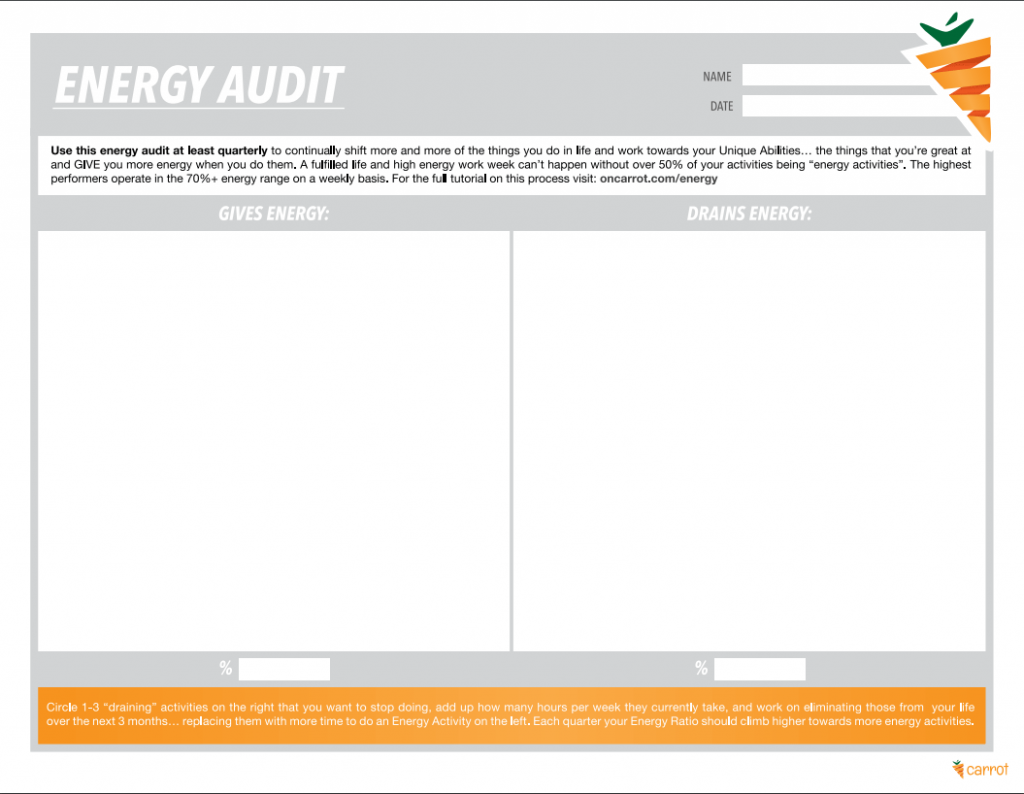

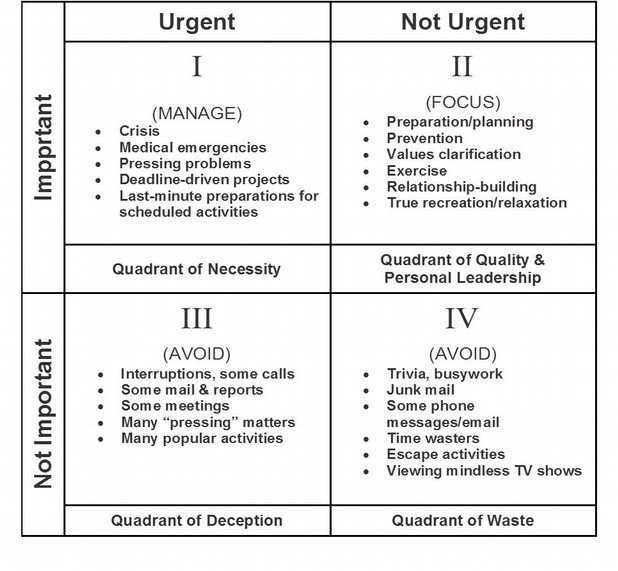










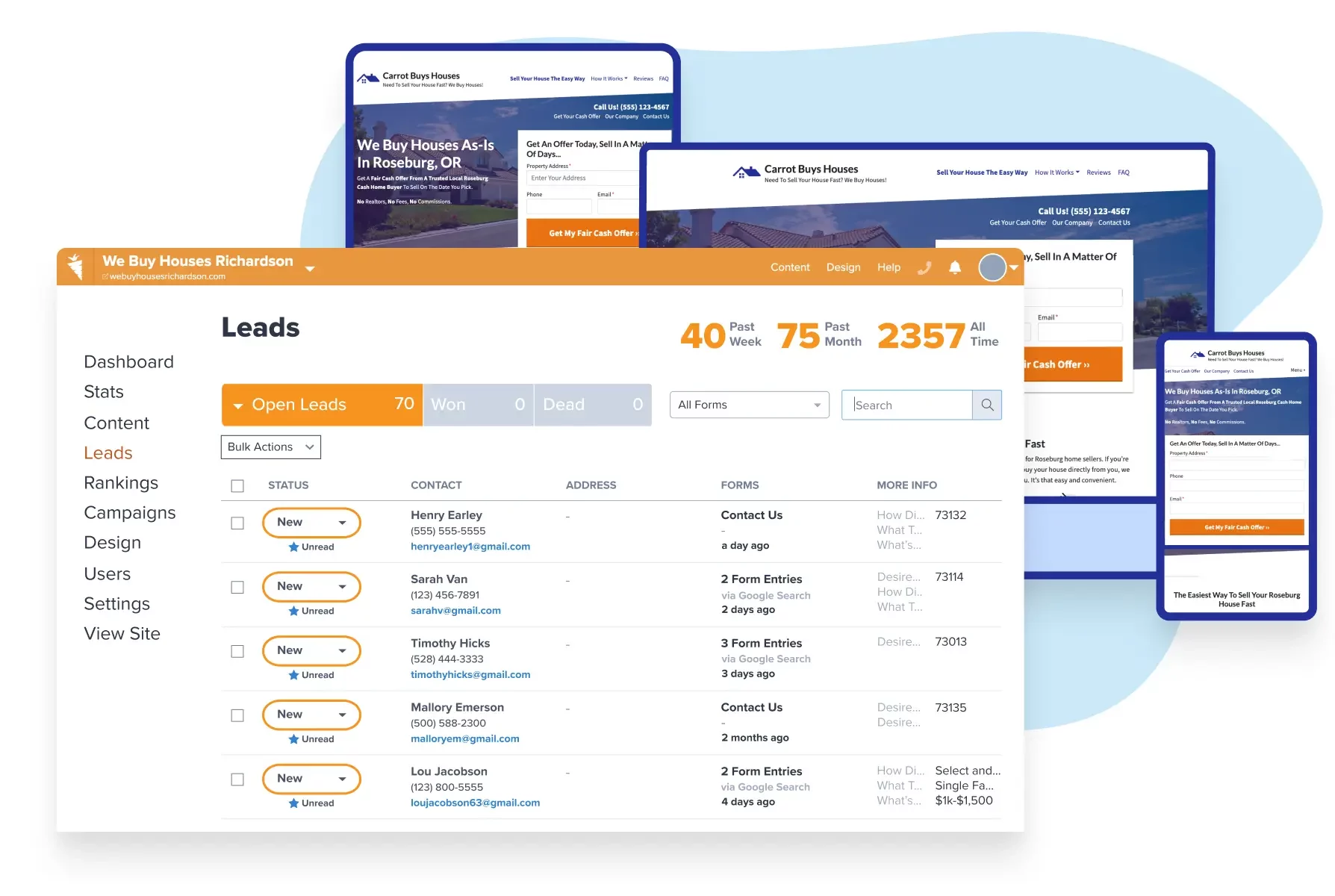

 You’re interested in investing in real estate…
![What is Real Estate Wholesaling? [For Real Estate Investors]](https://i.ytimg.com/vi/OEpI5xhih9g/maxresdefault.jpg)